
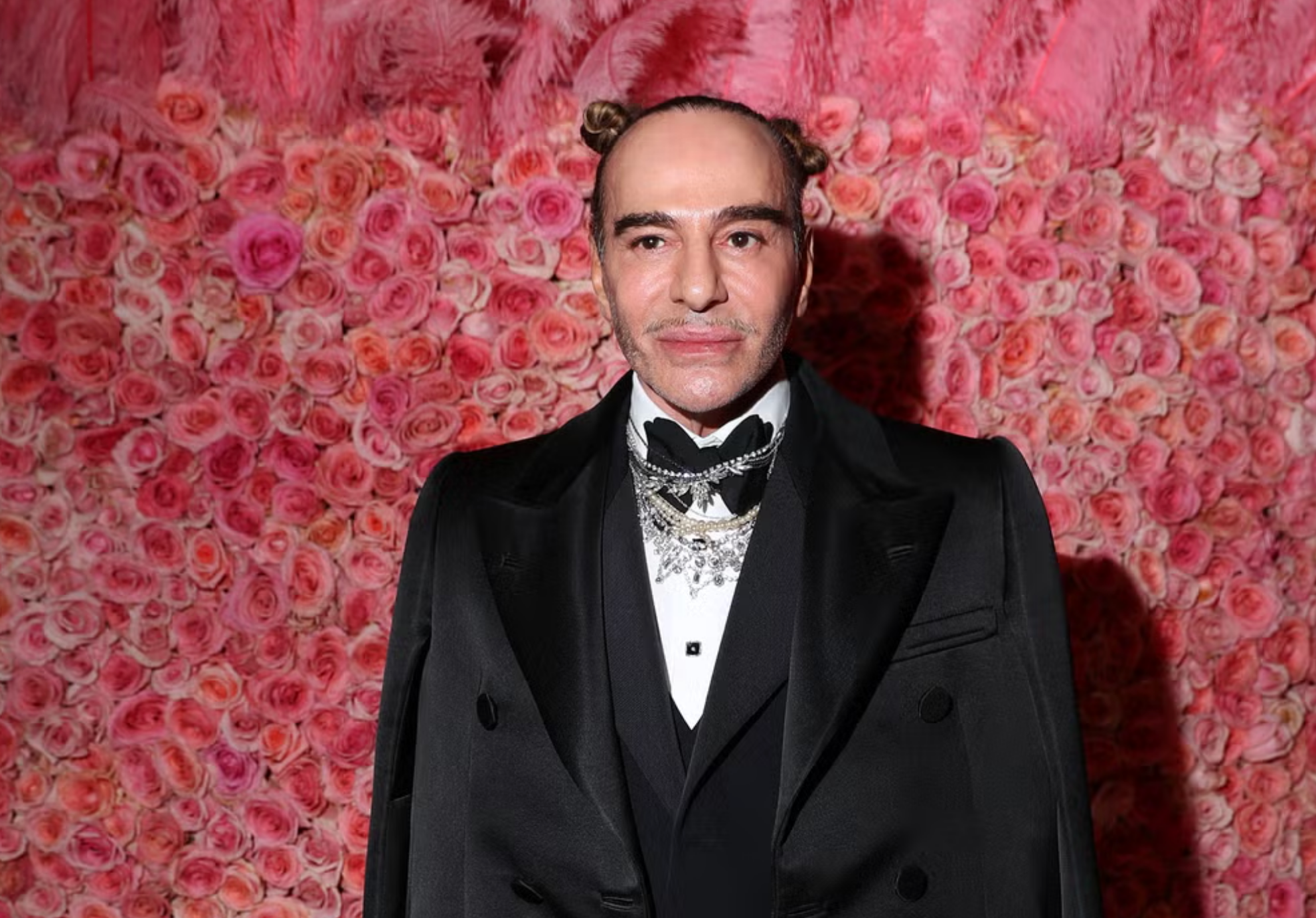
The Metropolitan Museum of Art has abandoned plans for a 2027 Costume Institute exhibition centered on John Galliano, following mounting criticism over the designer’s controversial past.
The Metropolitan Museum of Art will no longer move forward with its planned John Galliano retrospective, marking an extraordinary reversal for one of fashion’s most influential — and divisive — designers.
The exhibition, titled “John Galliano: Horizons,” had been announced as the focus of the Met’s 2027 Costume Institute exhibition and its accompanying Met Gala. But following widespread criticism, particularly from members and leaders of the Jewish community, Galliano and the museum have mutually agreed to withdraw the project.
“Following thoughtful discussions with John Galliano, we have together decided not to proceed with the exhibition,” Max Hollein, director and CEO of The Metropolitan Museum of Art, said in a statement.
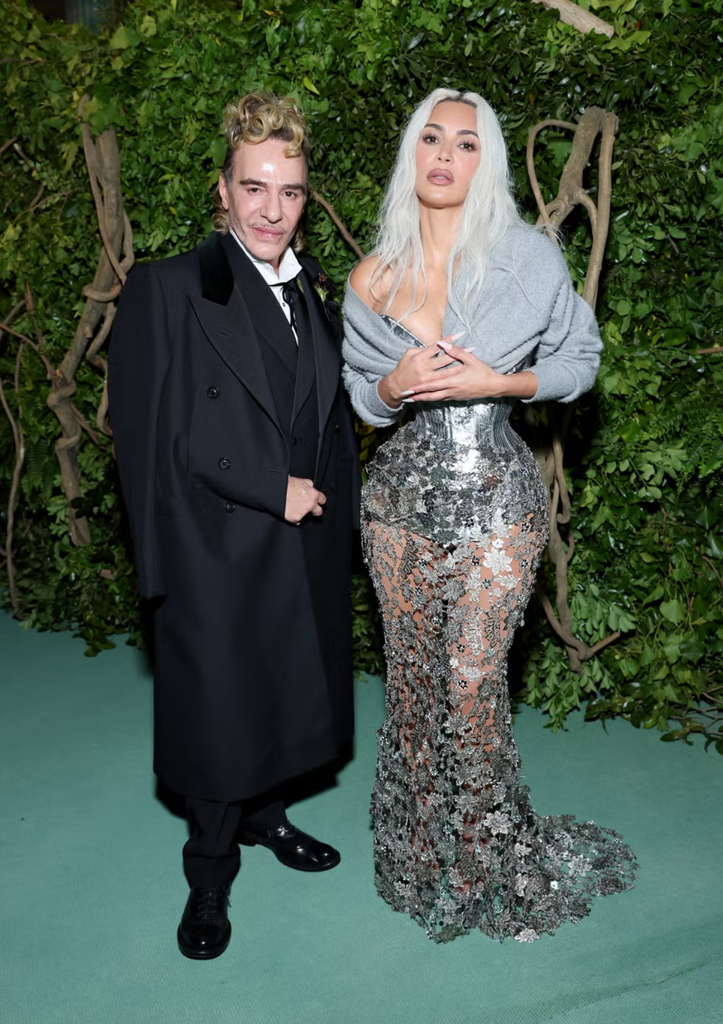
The decision comes only weeks after the museum revealed plans to examine Galliano’s decades-long career, a body of work that has profoundly influenced modern fashion.
Galliano emerged as one of the industry’s most celebrated talents after graduating from Central Saint Martins in London. His theatrical approach to fashion, elaborate storytelling and dramatic runway presentations quickly distinguished him from his contemporaries.
His career reached another level during his years at Christian Dior, where he helped reshape the French fashion house through highly imaginative collections that blended history, fantasy and couture craftsmanship. Galliano would become one of the defining designers of the late 1990s and early 2000s.
His legacy, however, has remained inseparable from the controversy that erupted in 2011.
Galliano was dismissed from Dior after videos surfaced showing him making antisemitic remarks. He was later found guilty by a French court of making public insults based on religion and ethnicity. Galliano subsequently apologized and stepped away from the fashion industry for several years.
During that period, the designer sought treatment for alcohol and substance addiction and met with members of the Jewish community as part of what he described as a process of rehabilitation and accountability.
Galliano eventually returned to fashion and later became creative director of Maison Margiela, where his work once again received significant critical recognition.
The Met’s initial decision to devote an exhibition to Galliano reignited a broader debate about how cultural institutions should approach artists whose creative achievements coexist with deeply troubling personal histories.
Supporters of the proposed retrospective pointed to Galliano’s undeniable influence on fashion and his efforts toward rehabilitation. Critics questioned whether one of the world’s most prestigious cultural institutions should provide such a prominent platform to a designer whose past actions caused considerable harm.
The museum’s decision to cancel the exhibition now places that debate at the center of an even larger conversation about accountability, redemption and the responsibility of cultural institutions.
For the Met, the reversal is particularly significant. Costume Institute exhibitions are among the most visible events on the global fashion calendar, with the annual Met Gala attracting designers, celebrities, artists and cultural figures from around the world.
What will replace “John Galliano: Horizons” as the theme of the 2027 Costume Institute exhibition has not yet been announced.
Galliano’s influence on contemporary fashion is unlikely to disappear from the historical record. But the cancellation demonstrates that celebrating a designer’s creative legacy can become far more complicated when questions of art, identity, accountability and cultural responsibility intersect.
For an industry increasingly examining the values behind the images it creates, the Met’s decision may ultimately become as significant as the exhibition that never happened.


 LatinGlam


 Latin Glam