
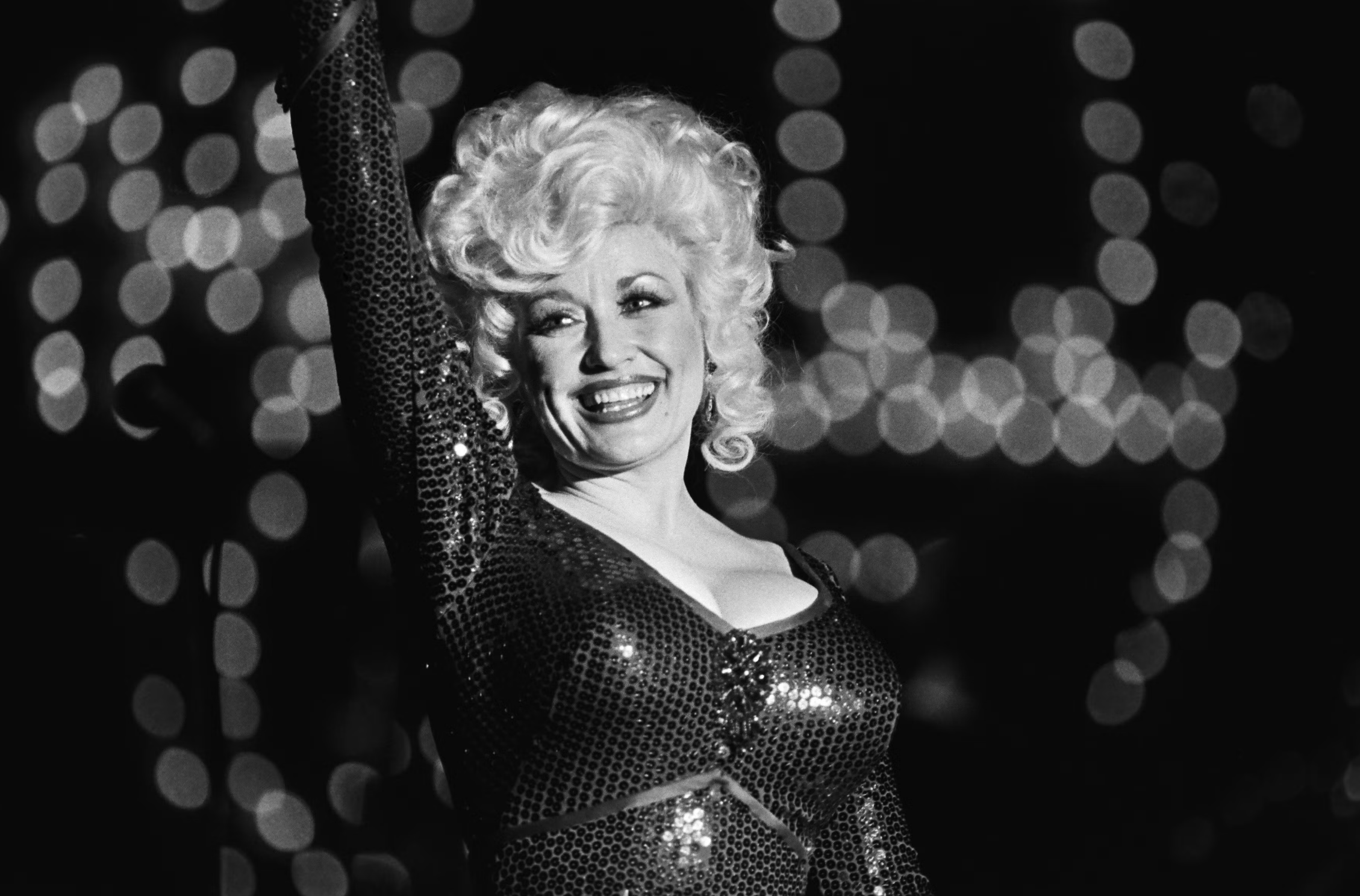
The country music legend built an extraordinary career without sacrificing kindness, authenticity or generosity—leaving behind a vision of success that transcended music.
There are celebrities, there are icons, and then there are the rare cultural figures who seem to belong to everyone. Dolly Parton was one of them.
Following her death at 80, the tributes have reflected something remarkable about the singer, songwriter, actress, entrepreneur and philanthropist: Parton’s influence reached far beyond country music. Across generations, communities and cultural divides, she became a symbol of warmth, humor, resilience and unmistakable individuality.
Her story was also an extraordinary interpretation of the American dream—not simply because of how far she traveled, but because of how she chose to travel it.
From Tennessee Poverty to Global Stardom
Born in 1946 in rural East Tennessee, Parton grew up as one of 12 children in a family with very little money. Yet she often spoke about her childhood not only through the lens of poverty, but through the abundance she found in family, faith, imagination and music.
She began performing as a child, appearing on local radio before eventually making her way to Nashville to pursue the career that would transform her life.
What followed was a seven-decade journey that few artists could ever replicate.
Parton wrote thousands of songs, sold more than 100 million records worldwide and became responsible for some of the most recognizable compositions in popular music. Her catalog moved effortlessly between vulnerability, desire, independence and working-class realities.
“I Will Always Love You” became one of the great love songs of modern music, reaching another generation through Whitney Houston’s monumental interpretation. “Jolene” turned romantic desperation into something timeless, while “9 to 5” transformed the frustrations of working women into an irresistible anthem.
Parton could make heartbreak sound beautiful and independence sound joyful.
A Woman Who Defined Herself
Part of Dolly Parton’s enduring appeal came from her refusal to allow other people to determine who she was supposed to be.
Her towering blonde hair, rhinestones, dramatic makeup, glamorous outfits and unapologetically feminine image became instantly recognizable. She understood the theatricality of celebrity long before personal branding became part of the cultural vocabulary.
But underneath the sparkle was an extraordinarily savvy businesswoman.
Parton maintained control over crucial parts of her career and understood the value of ownership, intellectual property and creative independence. One of the most famous examples came when Elvis Presley expressed interest in recording “I Will Always Love You,” but his team reportedly wanted a significant share of the publishing rights.
Parton declined.
Years later, Whitney Houston’s recording became a worldwide phenomenon, validating a decision that demonstrated something essential about Parton: she knew the value of what she created.
She could laugh at herself while simultaneously refusing to underestimate herself.
That combination made her powerful.
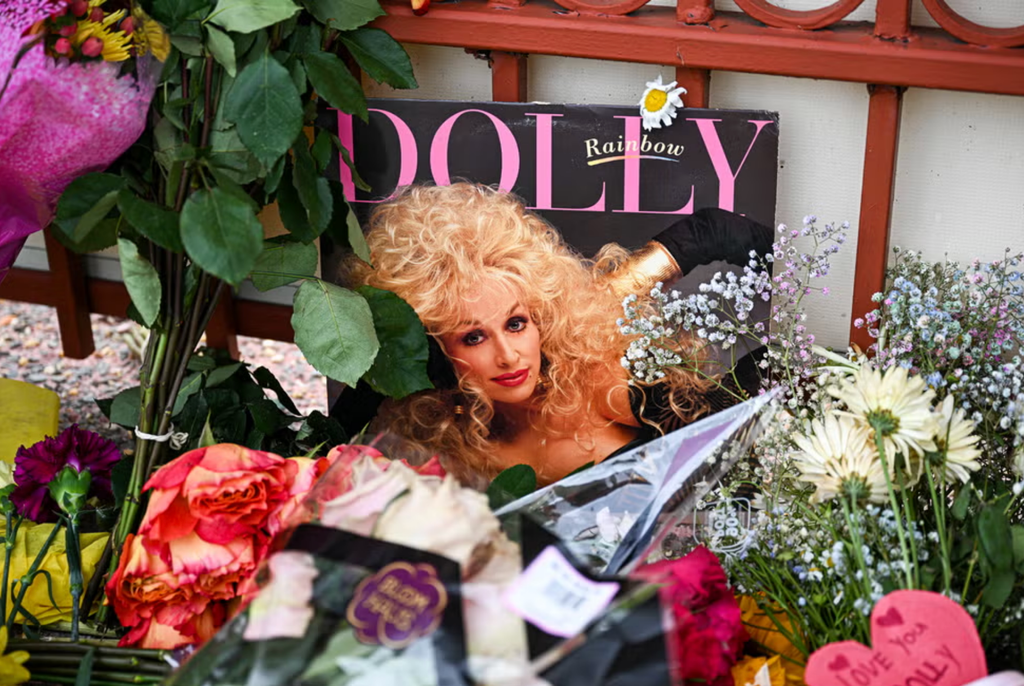
Success Without Cruelty
Perhaps the most compelling part of Parton’s legacy, however, has little to do with record sales or awards.
She demonstrated that ambition and kindness did not have to exist in opposition.
In an era when success is frequently portrayed as competition—where someone else’s rise can feel like another person’s loss—Parton represented another possibility. Her career suggested that becoming bigger did not require making anyone else smaller.
Her philanthropy became an extension of that philosophy.
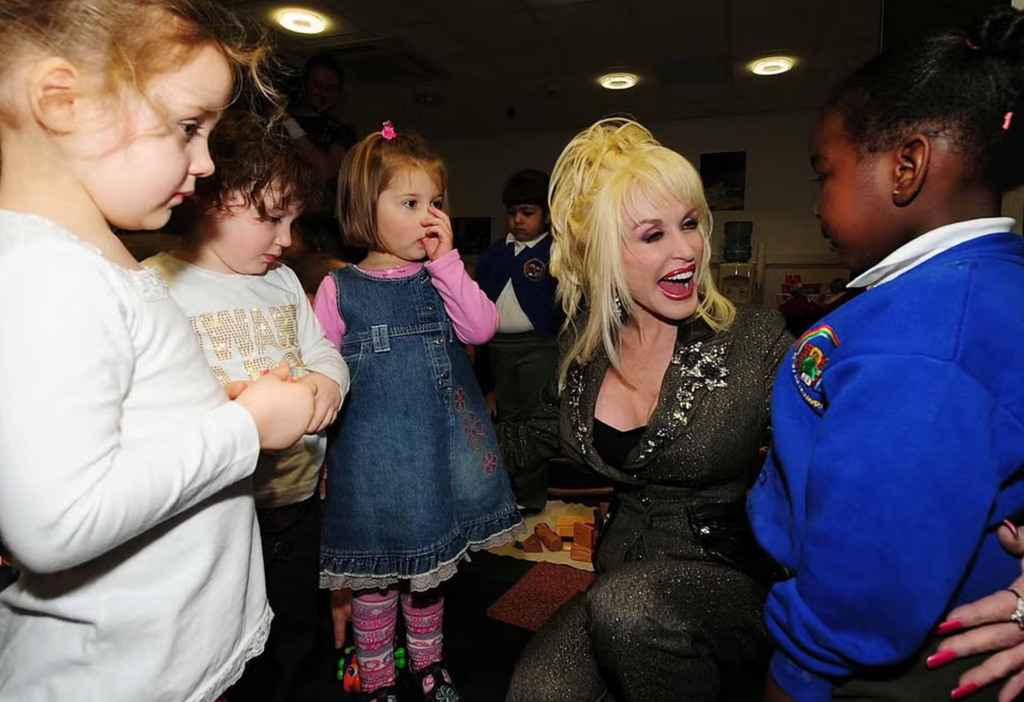
Through the Dollywood Foundation and initiatives including the Imagination Library, Parton helped provide books to children around the world. She supported education, disaster relief, health initiatives and communities throughout her native Tennessee and beyond.
Her generosity often carried the same quality as her personality: accessible, practical and deeply human.
An Icon Who Refused to Fit Into a Box
Parton also achieved something increasingly uncommon in American culture: she became beloved by people who often agreed on very little else.
She could be glamorous without being inaccessible, deeply rooted in country traditions while embracing audiences far beyond them, enormously wealthy while remaining connected to her working-class origins.
Perhaps that explains why so many different communities saw something of themselves in Dolly.
Women saw independence.
Songwriters saw mastery.
Entrepreneurs saw ownership.
Dreamers saw possibility.
And millions simply saw someone who seemed determined to leave people feeling better than she found them.
The Dolly Parton Version of the American Dream
The traditional American dream often celebrates the journey from poverty to wealth, anonymity to fame or limitation to opportunity.
Dolly Parton certainly accomplished all of those things.
But her life offered another definition.
Success could mean building something enormous while remembering where you came from. It could mean protecting your value without diminishing someone else’s. It could mean embracing femininity without apologizing for intelligence or ambition. And it could mean reaching the highest levels of fame while continuing to use that platform to create opportunities for others.
Parton once emerged from the mountains of Tennessee with a guitar, enormous dreams and a voice unlike anyone else’s.
She eventually became one of the most recognizable women in the world.
But perhaps her greatest achievement wasn’t simply becoming Dolly Parton.
It was showing generations of people that you could become extraordinary without losing your humanity along the way.


 LatinGlam
 Latin Glam


