
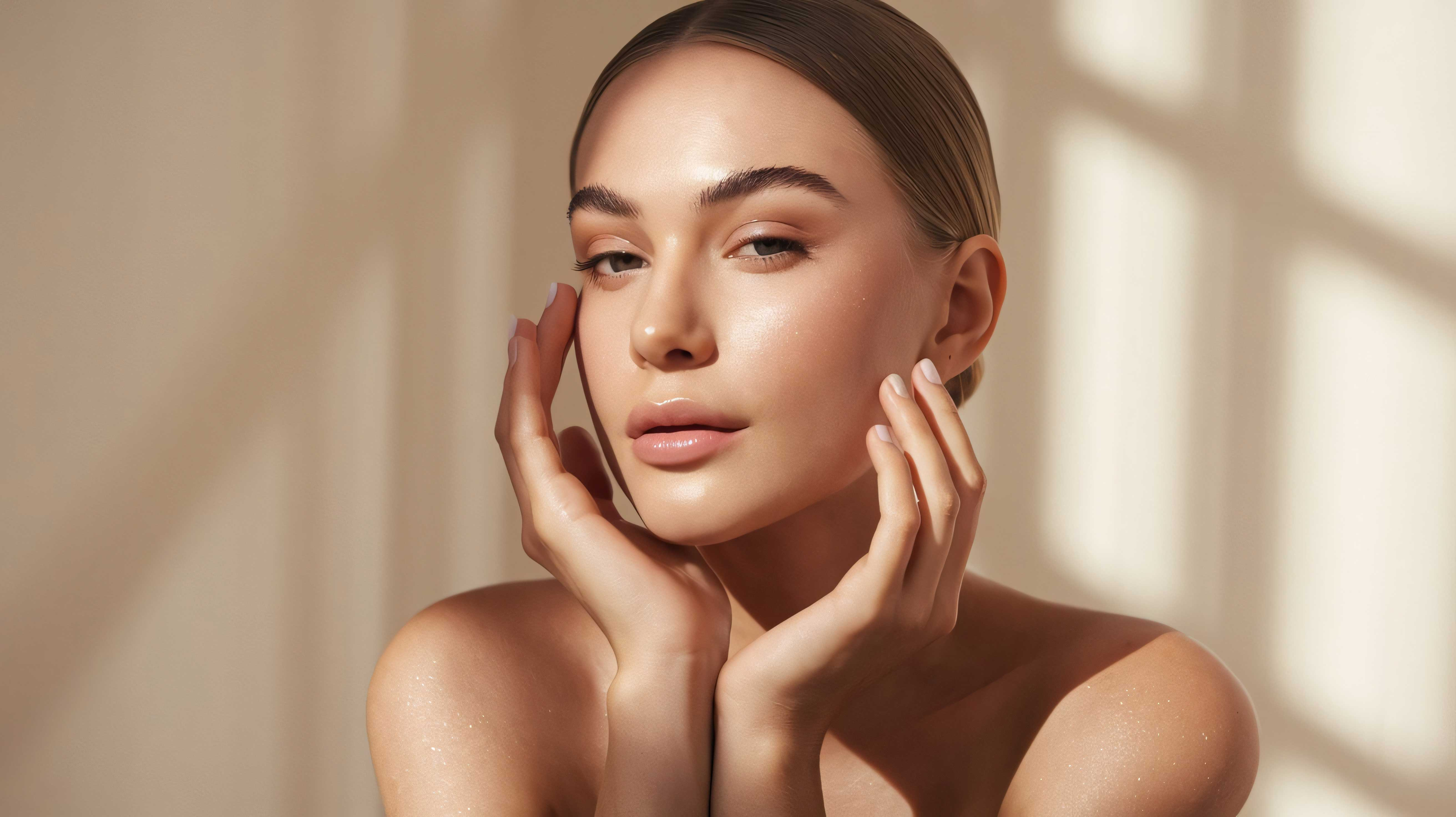
As temperatures drop and the air becomes drier, your skincare routine deserves a seasonal refresh. From barrier-repairing ingredients to smarter exfoliation, here’s how to maintain radiant skin throughout fall and beyond.
Fall brings a welcome change of pace. The wardrobe becomes richer, the textures softer, and beauty routines begin to reflect the season’s quieter, more refined mood. But while transitioning from summer dresses to cozy knits may feel effortless, our skin often requires a little more attention.
As temperatures cool and humidity levels decline, the complexion can begin to lose the hydration that kept it looking fresh throughout summer. Suddenly, familiar products may feel less effective, dry patches become more noticeable, and even the most carefully maintained glow can start to fade.
The solution isn’t necessarily an entirely new skincare collection. Instead, dermatologists recommend making thoughtful adjustments that prioritize moisture, strengthen the skin barrier, and introduce active ingredients with care.
For LatinGlam, fall skincare is about embracing a more intentional approach to beauty—one that places healthy, resilient skin at the center of every routine.
Why Your Skin Changes With the Seasons
The transition from summer to fall affects more than our wardrobes.
According to Dr. Aya Ahram, a board-certified dermatologist at Hudson Dermatology and Laser Surgery, cooler temperatures and lower humidity can increase moisture loss from the skin, leading to tightness, flaking, redness, and irritation.
Those with naturally dry or sensitive skin may notice these changes first. People managing conditions such as eczema or rosacea can also experience increased sensitivity as environmental conditions shift.
However, seasonal hydration isn’t exclusively a concern for dry skin types.
Even oily and combination skin need adequate moisture to maintain a healthy protective barrier. The difference lies in choosing the right texture: a lightweight gel cream may work beautifully for oilier complexions, while drier skin may benefit from a richer moisturizer.
The essential lesson? Listen to your skin rather than following a rigid seasonal formula.
Hydration Is Fall’s Most Important Beauty Essential
If summer skincare is often associated with lightweight formulas and minimal layers, fall is the season to embrace moisture.
Start by reconsidering your cleanser. Highly foaming or overly stripping formulas can leave skin feeling uncomfortable when humidity drops. A gentle, hydrating cleanser can help remove impurities without unnecessarily disrupting the skin’s natural protective oils.
Next, focus on ingredients that attract and retain moisture.
Ceramides help support the skin’s protective barrier, reducing moisture loss and improving the appearance of dryness.
Hyaluronic acid acts as a humectant, attracting water to the skin and helping create a smoother, more hydrated appearance.
Glycerin is another effective moisture-binding ingredient that works well across different skin types.
For particularly dry areas, occlusive ingredients such as petrolatum can help seal in moisture and protect vulnerable skin.
Rachel Liverman, aesthetician and founder and CEO of Glowbar, also recommends incorporating a hydrating serum and considering a richer moisturizer as the weather becomes colder.
The goal isn’t to create a complicated routine. It’s to give your skin the support it needs to remain comfortable and balanced.
Don’t Forget Your Lips, Hands, and Body
Facial skincare may receive most of the attention, but the seasonal transition affects the entire body.
Hands, lips, elbows, and other exposed areas are particularly vulnerable to dryness as temperatures fall.
A nourishing hand cream, protective lip ointment, and moisturizing body lotion can make a noticeable difference when used consistently.
Small habits matter, too. Applying moisturizer immediately after bathing can help reduce moisture loss, while choosing warm rather than very hot water may prevent additional dryness.
Consider these everyday essentials part of your beauty routine rather than an afterthought.
Fall Is a Good Time to Rethink Exfoliation
After months of sun exposure, sunscreen, and outdoor activities, skin may appear dull or uneven.
Exfoliation can help improve the appearance of texture and reveal a fresher-looking complexion, but the transition into fall is not an invitation to overdo it.
Gentle chemical exfoliants, including certain alpha hydroxy acids and beta hydroxy acids, can help remove accumulated dead skin cells when used appropriately.
Professional treatments, such as selected chemical peels or dermaplaning, may also complement a consistent at-home routine.
However, moderation is essential.
Combining multiple exfoliating acids, scrubs, retinoids, and professional treatments without adequate recovery time can compromise the skin barrier and create the very irritation you’re trying to avoid.
The most effective approach is to exfoliate according to your skin’s tolerance and maintain adequate hydration between treatments.
Healthy skin should feel comfortable—not constantly tight, stinging, or inflamed.
Is Fall the Right Time to Introduce Retinol?
Retinol remains one of skincare’s most discussed ingredients, and for good reason.
As part of the broader retinoid family, it can help improve the appearance of fine lines, uneven texture, and discoloration over time. Certain retinoids are also widely used in acne treatment.
Fall can be a convenient time to introduce a retinoid, particularly for people who prefer adjusting their routines when outdoor sun exposure may be lower.
But the season itself doesn’t eliminate the possibility of irritation or the need for sun protection.
For beginners, a gradual approach is best. Starting with a low-strength product once or twice a week, followed by a suitable moisturizer, can help the skin adjust.
If dryness, redness, or sensitivity develops, reduce frequency or pause use until the skin recovers.
And if your skin barrier is already compromised, focus on hydration and repair before introducing stronger active ingredients.
Retinoids are generally avoided during pregnancy, and anyone with a skin condition or questions about suitability should seek individualized guidance from a dermatologist.
Professional Treatments: A More Thoughtful Approach
Fall is often associated with a renewed interest in professional skincare treatments.
Depending on individual needs, dermatologists may recommend procedures such as chemical peels, microneedling, or certain laser treatments to address concerns including uneven pigmentation, texture, and signs of photoaging.
However, these procedures are not universally appropriate, and their effectiveness and recovery requirements vary.
Skin tone is an especially important consideration when selecting professional treatments. Some procedures carry a risk of post-inflammatory hyperpigmentation, particularly in skin with more melanin, making professional expertise and appropriate treatment settings essential.
For Latina consumers, whose skin tones and characteristics vary widely, personalized treatment planning is far more valuable than a one-size-fits-all approach.
A qualified dermatologist can help determine which options are appropriate and how to coordinate them with at-home products.
The objective should always be long-term skin health—not simply achieving an immediate glow.
Sunscreen Is Still Non-Negotiable
One of the biggest seasonal skincare misconceptions is that sunscreen becomes less important when summer ends.
In reality, ultraviolet radiation remains a concern throughout the year.
UVA rays, which contribute to premature skin aging and pigmentation changes, can reach the skin even on cloudy days and pass through ordinary window glass.
A broad-spectrum sunscreen with SPF 30 or higher should remain part of your morning routine, with reapplication as needed during outdoor exposure.
This becomes particularly important when using retinoids, exfoliating acids, or undergoing certain professional treatments.
Fall may bring softer sunlight, but sun protection remains one of the most valuable investments in maintaining healthy-looking skin.
The Beauty of a Simpler Routine
With countless serums, treatments, and trending ingredients competing for attention, it’s easy to assume that more products will deliver better results.
But effective skincare is rarely about the number of bottles on your vanity.
Introducing too many new products simultaneously can make it difficult to identify what works and what causes irritation.
Instead, build a reliable foundation:
- Morning: Gentle cleansing as needed, hydrating serum or moisturizer, and broad-spectrum sunscreen.
- Evening: Gentle cleanser, moisturizer, and a carefully selected active ingredient when appropriate.
- Weekly: Optional gentle exfoliation based on your skin’s needs and tolerance.
Introduce new products individually and give your skin time to respond before making additional changes.
If persistent burning, peeling, or redness develops, reconsider the routine rather than assuming discomfort is a sign of effectiveness.
The LatinGlam Perspective: Healthy Skin Is Always in Season
Beauty trends may change with every season, but healthy skin never goes out of style.
This fall, the most sophisticated approach to skincare isn’t about chasing the latest ingredient or investing in an entirely new collection. It’s about understanding what your skin needs and making thoughtful choices that support its natural balance.
A richer moisturizer, a gentler cleanser, a carefully introduced retinoid, or simply a more consistent routine can make a meaningful difference.
Because the most beautiful fall glow doesn’t come from doing more.
It comes from taking better care of the skin you’re in.


 Latin Glam


